Diversification and alternative infrastructure provide economic support
Gulf economies are proving more resilient than some early expectations despite continued disruption around the Strait of Hormuz.
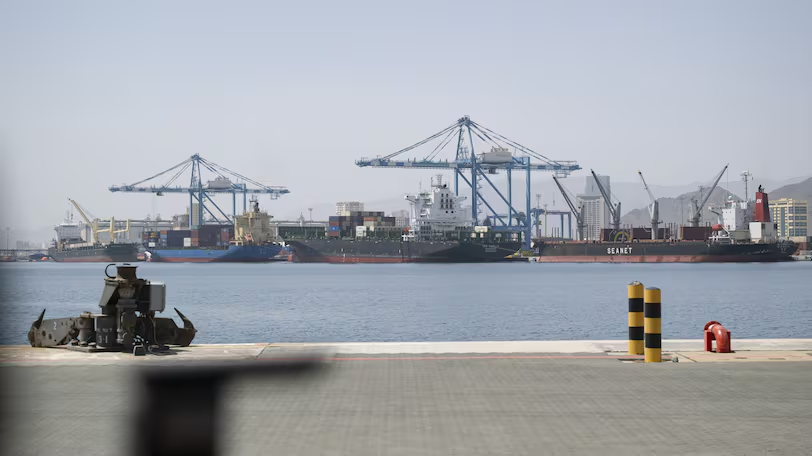
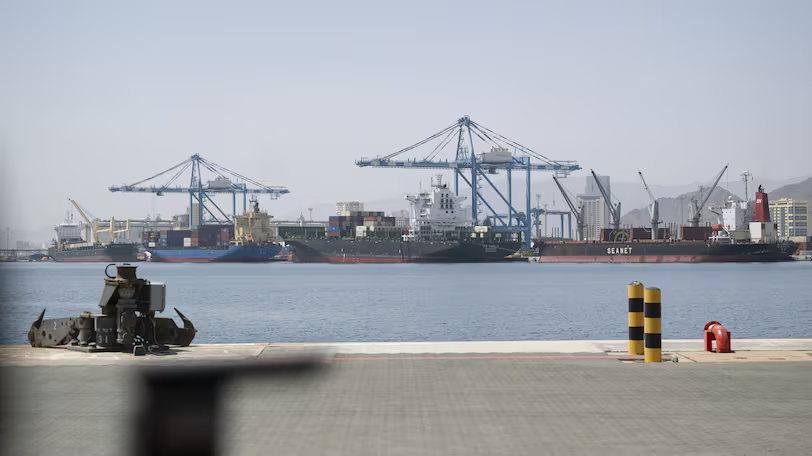
The economic effects are extending beyond oil prices. Shipping costs, insurance premiums, supply-chain disruptions and difficulties moving energy and goods are creating additional pressure for companies across the region.
The UAE and Saudi Arabia have some protection through alternative energy-export infrastructure and diversified economic activity.
Saudi Arabia’s East-West pipeline and the UAE’s alternative export infrastructure can reduce dependence on the Strait for some energy shipments.
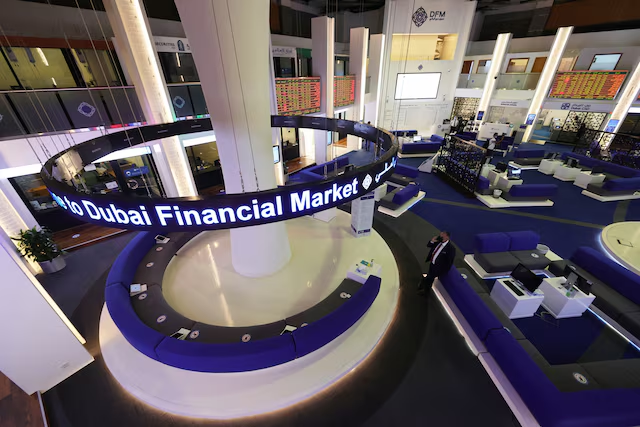
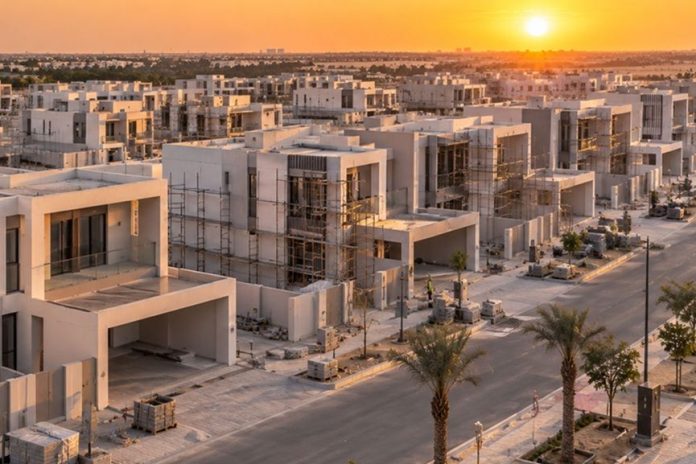
The UAE’s diversified economy also provides support through sectors such as logistics, aviation, tourism, finance and international trade.
However, businesses remain exposed to higher transportation costs and supply-chain uncertainty if disruption continues.
For companies operating in the GCC, the situation is increasing the importance of supply-chain diversification, alternative shipping routes, inventory planning and business continuity strategies.
The resilience of Gulf economies demonstrates the importance of investments made over the past decade in infrastructure and non-oil sectors.
Source
The National / AP regional economic reporting, 16 August 2026.