The United States has extended its ceasefire with Iran just hours before expiration, in a move aimed at keeping fragile peace negotiations alive. The announcement comes amid ongoing uncertainty over whether Tehran will participate in a new round of talks.
According to officials, the extension is designed to “buy time” for diplomacy, although tensions remain high due to the continued U.S. naval blockade of Iranian ports.
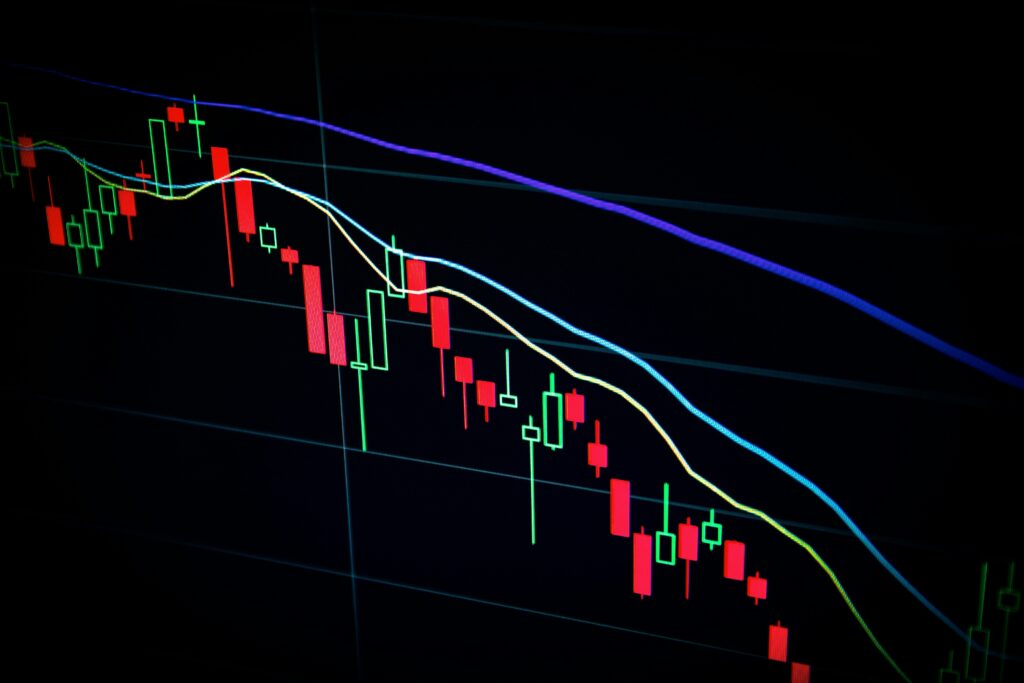
Financial markets reacted cautiously. Oil prices showed volatility—initially spiking above $100 per barrel before retreating as hopes of resumed negotiations emerged.
The broader economic implications are significant. The Middle East conflict has already disrupted supply chains, energy flows, and investor confidence globally. With the Strait of Hormuz largely inactive, global trade faces continued uncertainty.
From a business perspective, industries reliant on energy and logistics are experiencing rising costs and planning disruptions. Investors are closely monitoring diplomatic signals, as even minor developments are triggering sharp market swings.
Looking ahead, the outcome of these talks could define the direction of global markets in the coming weeks. A breakthrough could stabilize oil prices and restore trade flows, while failure could escalate risks further.
Source : Reuters.