Gulf economies are expected to stage a strong recovery despite recent geopolitical disruptions, according to the International Monetary Fund’s latest regional outlook released today.
The IMF projects regional growth to rebound to 4.8% by 2027, after slowing sharply to 1.1% this year due to conflict-related disruptions impacting trade, energy flows, and investor sentiment.
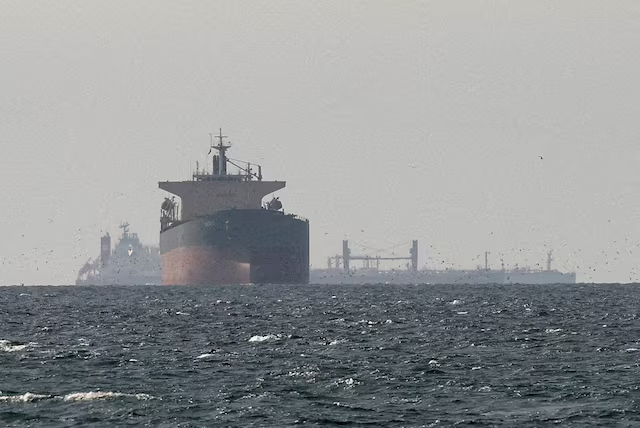
The slowdown was largely driven by reduced shipping activity in the Strait of Hormuz, a critical global energy corridor. Shipping volumes remain significantly below pre-conflict levels, creating ripple effects across oil markets, insurance costs, and supply chains.
Beyond energy, the crisis exposed vulnerabilities in the Gulf’s digital infrastructure. Notably, attacks on cloud data centers temporarily disrupted banking and payment systems, highlighting the growing importance of cybersecurity in the region’s economic transformation.
Despite these challenges, the IMF emphasized the region’s resilience. Strong sovereign wealth reserves, centralized governance, and continued investment in AI and infrastructure are expected to support recovery.
For investors, this signals continued long-term confidence in Gulf markets. Analysts believe capital inflows will accelerate once geopolitical tensions ease, particularly in technology, logistics, and non-oil sectors.
Looking ahead, the pace of recovery will depend heavily on stabilization of trade routes and sustained investment momentum.
Source : Reuters.