
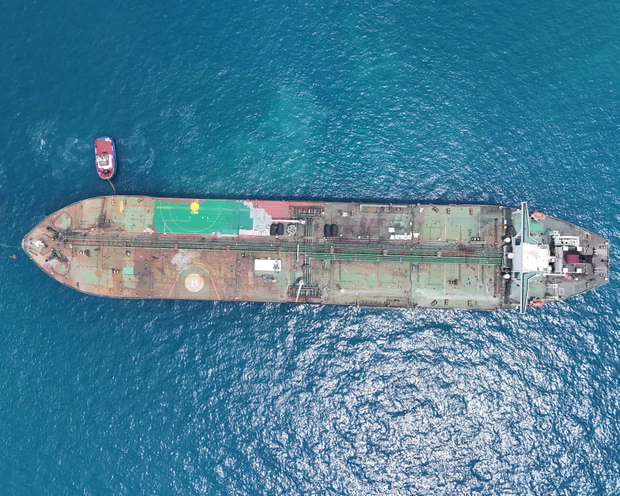
Global oil prices surged again today as the Strait of Hormuz blockade continued to disrupt one of the world’s most important energy corridors, deepening fears of a prolonged supply crisis.
Brent crude briefly touched $107.48 per barrel, its highest level since the U.S.-Iran ceasefire began, as Gulf crude production remained heavily constrained. Goldman Sachs estimates regional output is now running nearly 57% below pre-war levels, significantly tightening global supply.
The Strait of Hormuz handles nearly 20% of global oil and LNG trade, making any sustained disruption a major inflationary threat for global markets. Shipping delays, tanker seizures, and military tensions continue to push insurance premiums and freight costs higher.
For businesses, rising oil prices are increasing costs across aviation, logistics, manufacturing, and consumer goods. Several global companies have already warned that sustained fuel inflation could pressure profit margins through Q2.
Economically, central banks are facing renewed inflation concerns just as markets were expecting possible rate cuts. Higher crude prices may delay monetary easing globally.
Looking ahead, analysts believe that unless maritime trade normalizes quickly, energy prices could remain elevated for months, accelerating investment in alternative supply routes and renewable infrastructure.
Source : The Guardian.